In the fashion and commercial photography industries, a "fashion shoot" is not a one-size-fits-all production. A photo session designed to sell a luxury designer gown requires completely different lighting, casting, and crew dynamics than a session meant to display activewear on an e-commerce website.
Understanding the distinct categories of fashion photography is critical for brands building a visual identity and for photographers looking to land commercial clients.
This comprehensive guide breaks down the four primary types of fashion shoots, how they differ, and why combining photo and video is the ultimate production standard for all of them.
The 4 Types of Fashion Photography
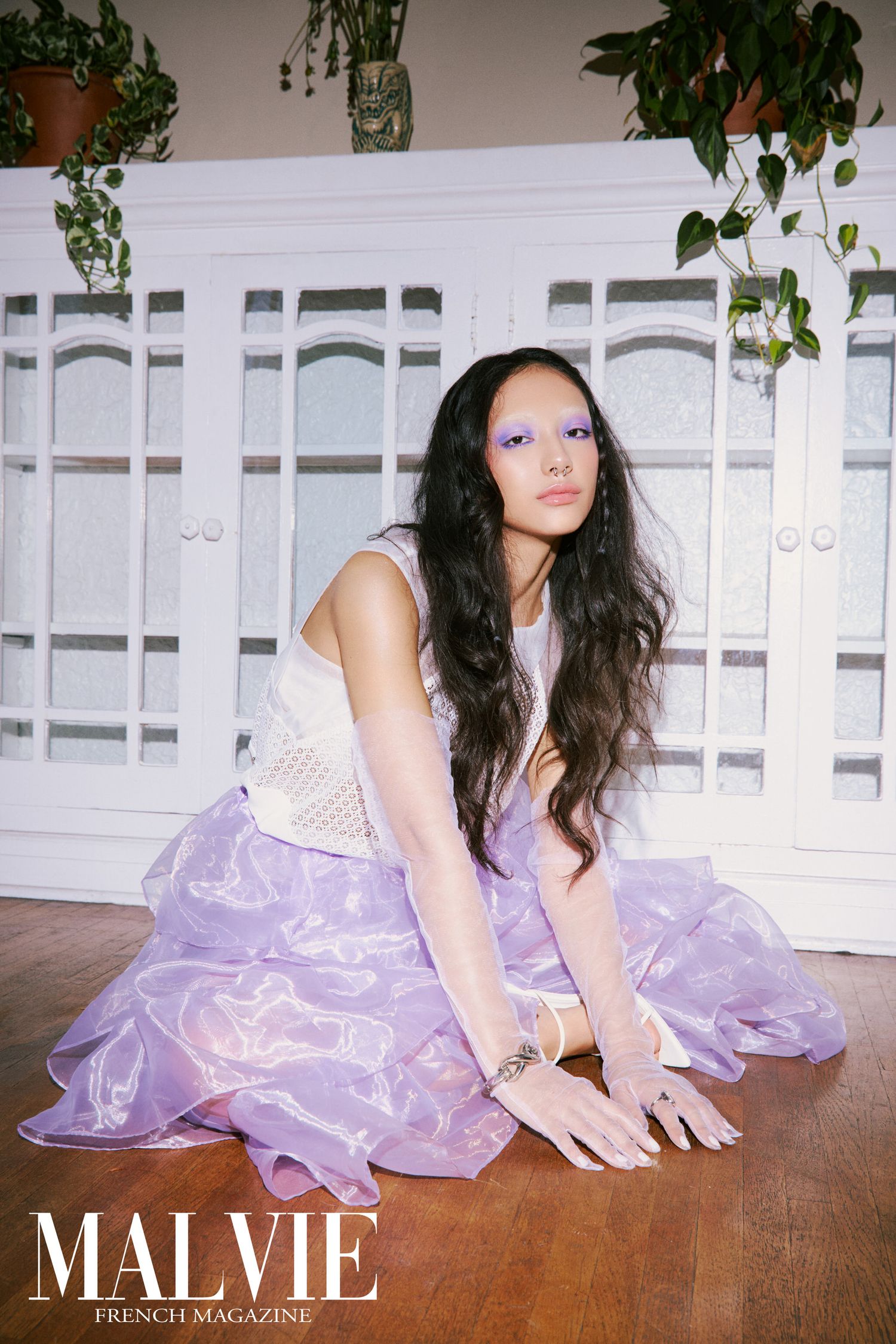
1. Editorial Fashion Photography
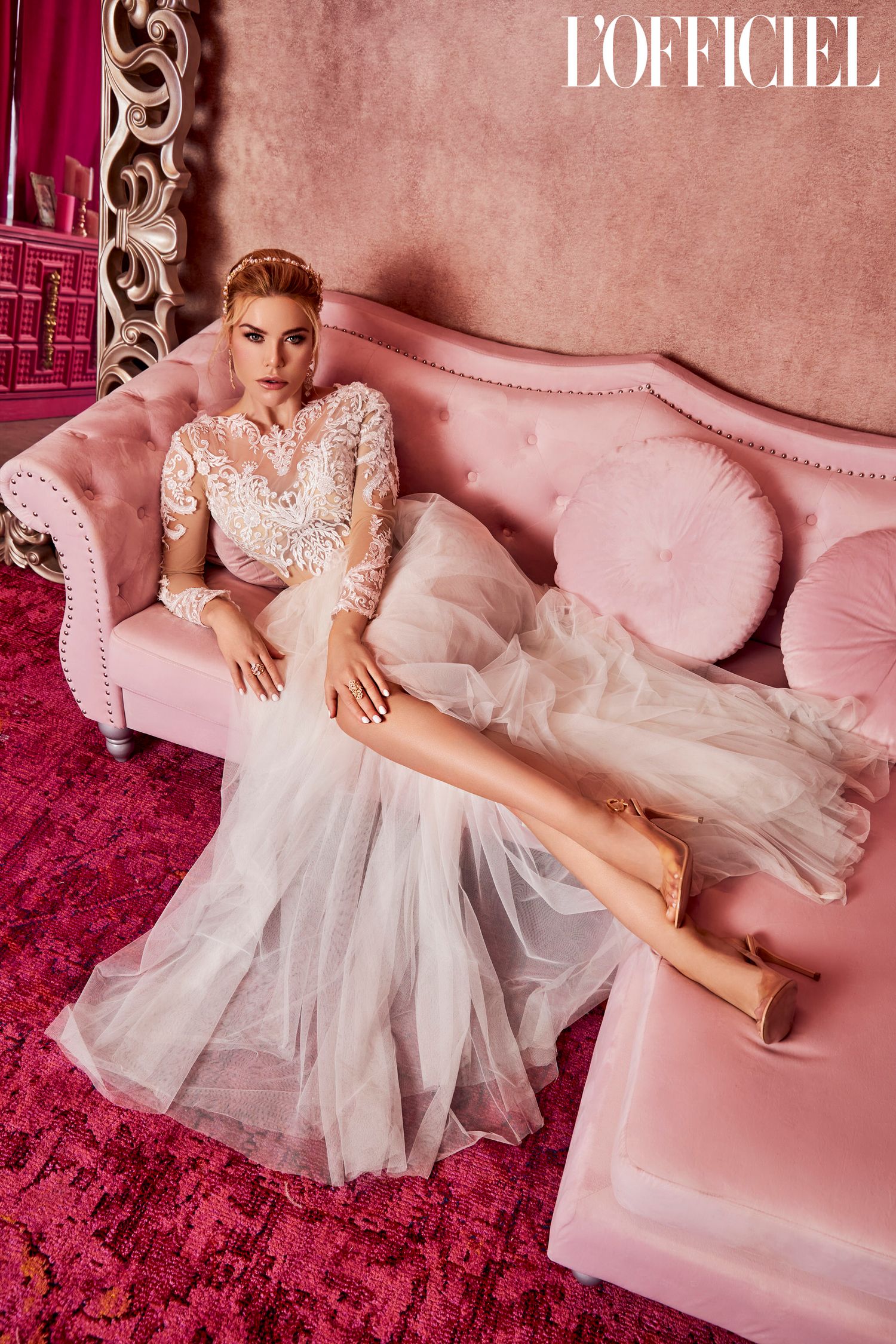
- The Purpose: Storytelling and brand prestige. Editorial shoots are usually created for fashion magazines, lookbooks, or high-end brand campaigns. The goal is not just to sell an item of clothing, but to sell a lifestyle, a mood, or an artistic concept.
- The Aesthetic: High-concept, dramatic, and often cinematic. It relies heavily on unique locations, unconventional lighting, expressive storytelling poses, and avant-garde styling.
- The Focus: The overarching narrative and artistic expression.
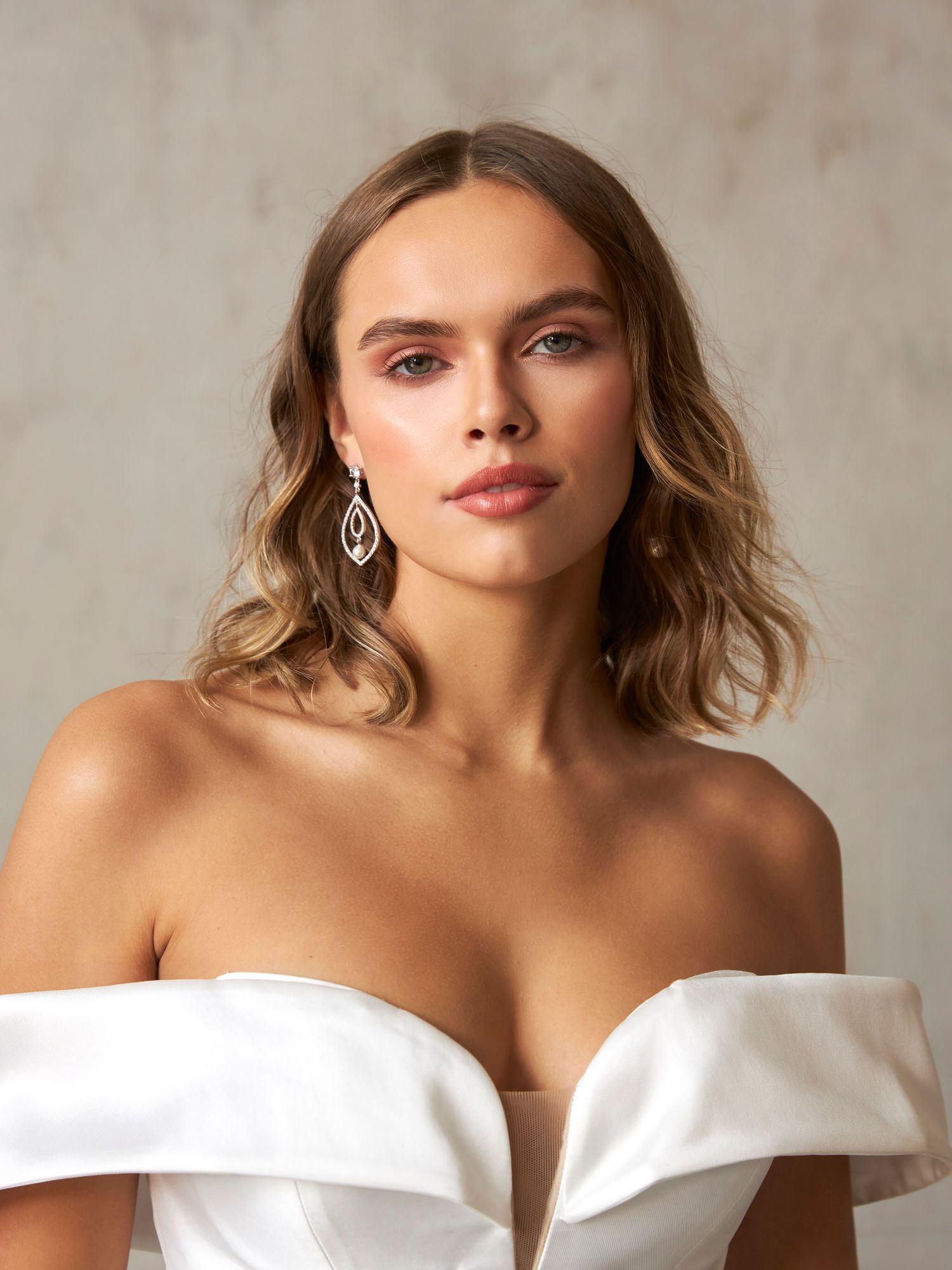
2. Commercial & Advertising Photography
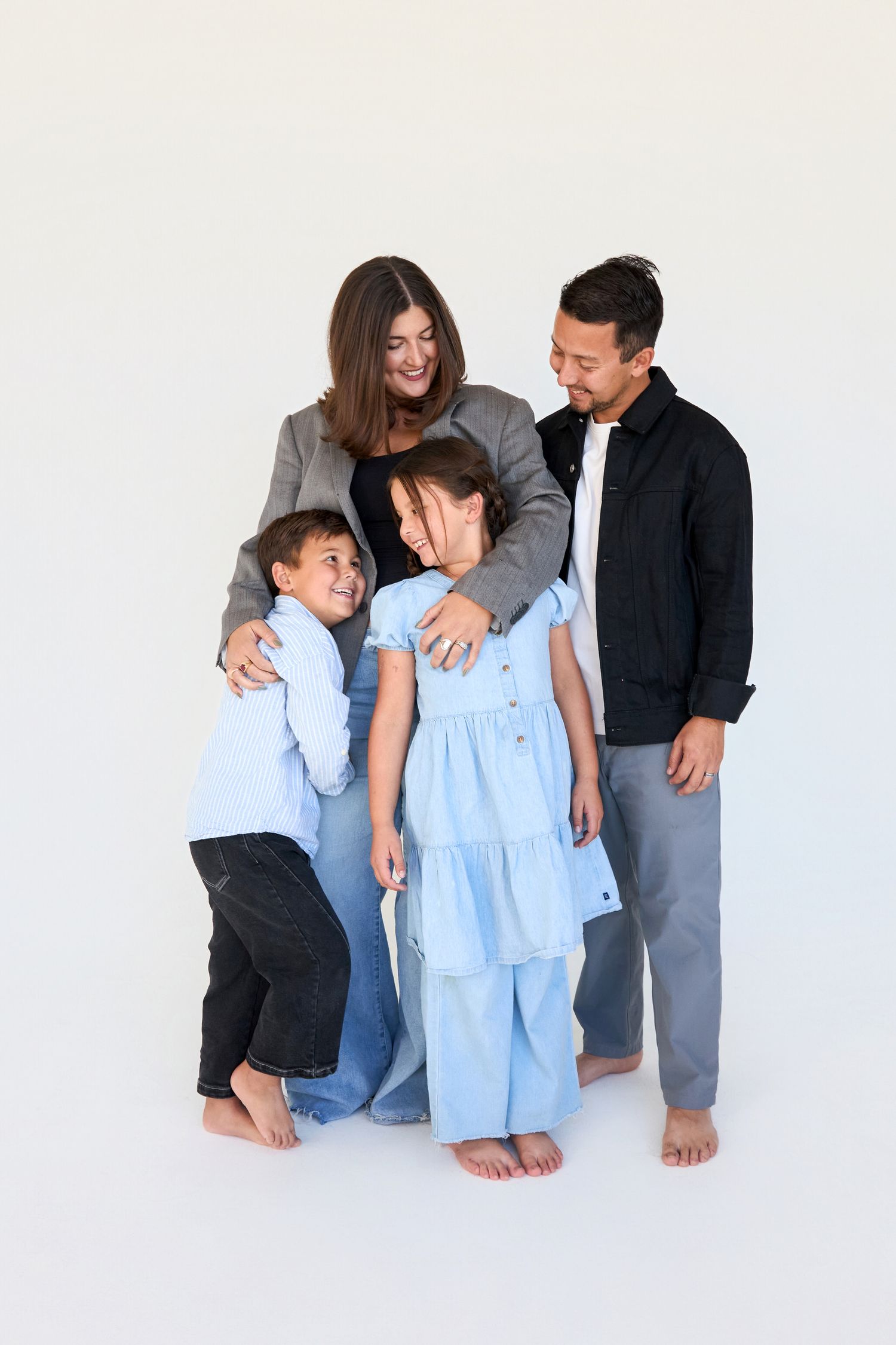
- The Purpose: To drive brand awareness and sell a lifestyle directly to a consumer base. These images are used for billboards, print ads, social media campaigns, and storefront banners.
- The Aesthetic: Polished, accessible, and vibrant. The lighting is clean and flattering, the models are approachable, and the overall mood is aspirational yet relatable.
- The Focus: The brand identity and connecting emotionally with the target demographic.
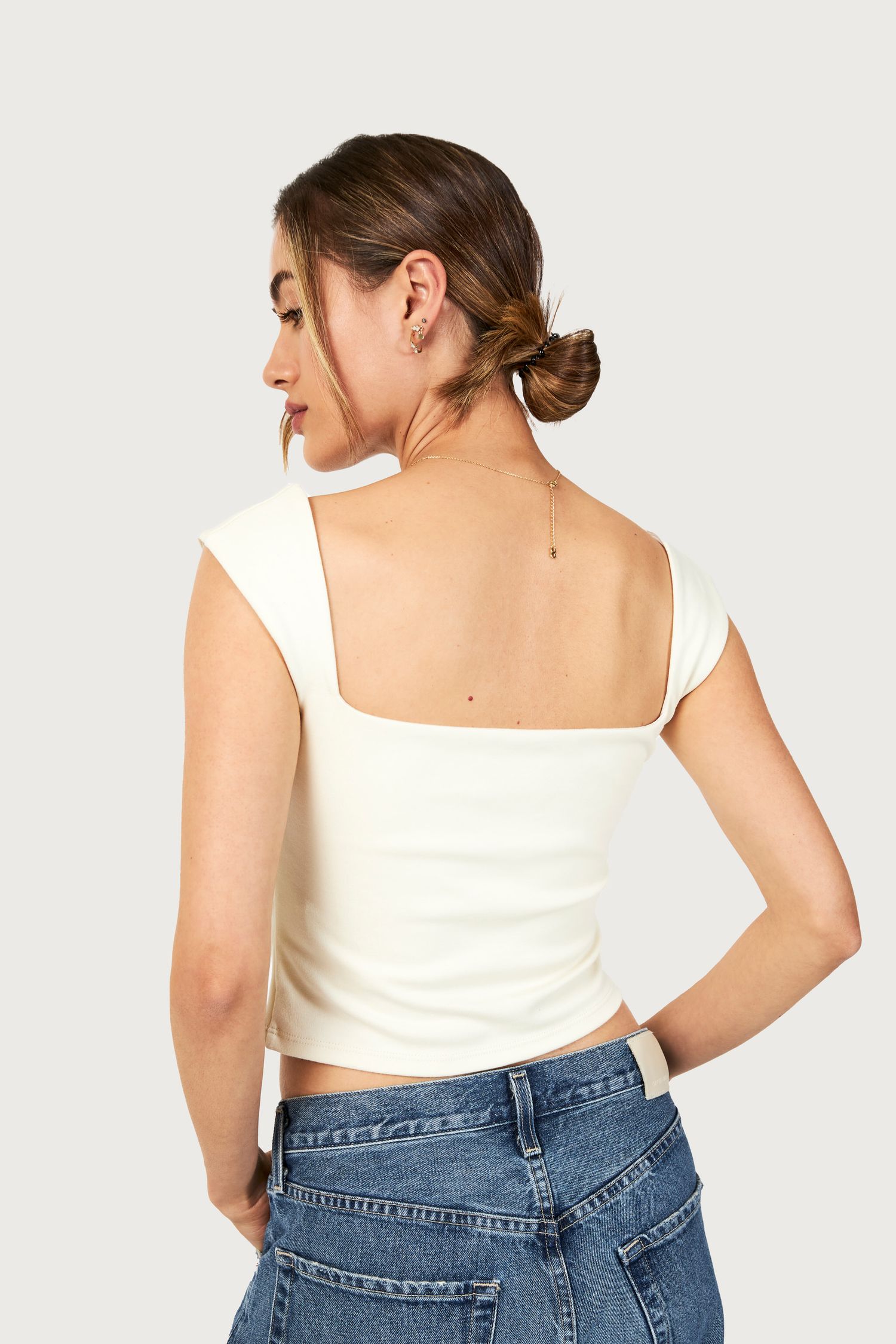
3. E-Commerce & Product Catalog Photography
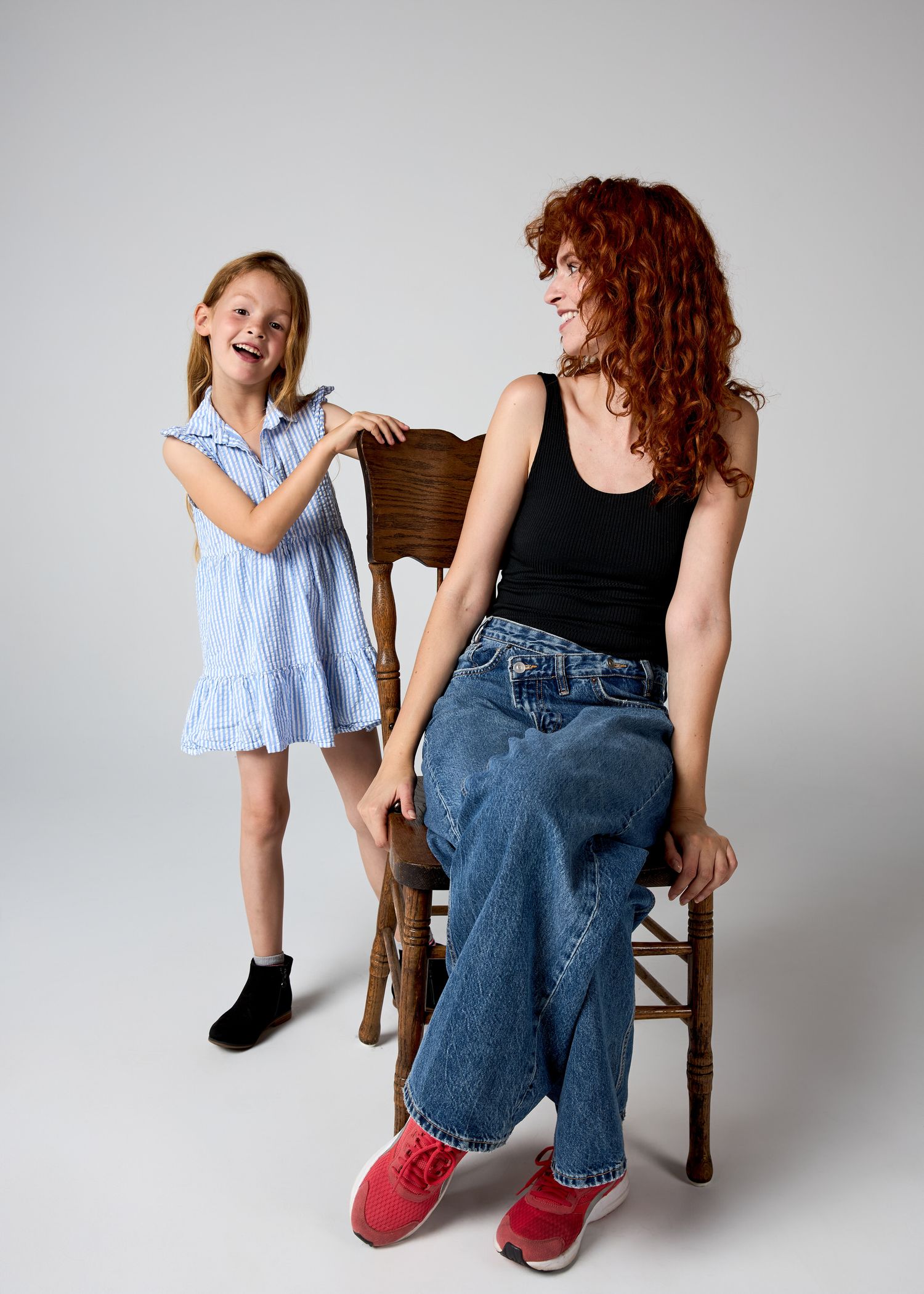
- The Purpose: Pure retail utility. These are the images consumers look at when deciding to click "Add to Cart" on an online store.
- The Aesthetic: Minimalist, hyper-clean, and consistent. Typically shot in a studio against a plain white, grey, or neutral backdrop. The lighting is bright and even to show the true color, fit, and texture of the garments.
- The Focus: The garment itself. Detail shots of stitching, zippers, and fabric flow are paramount.
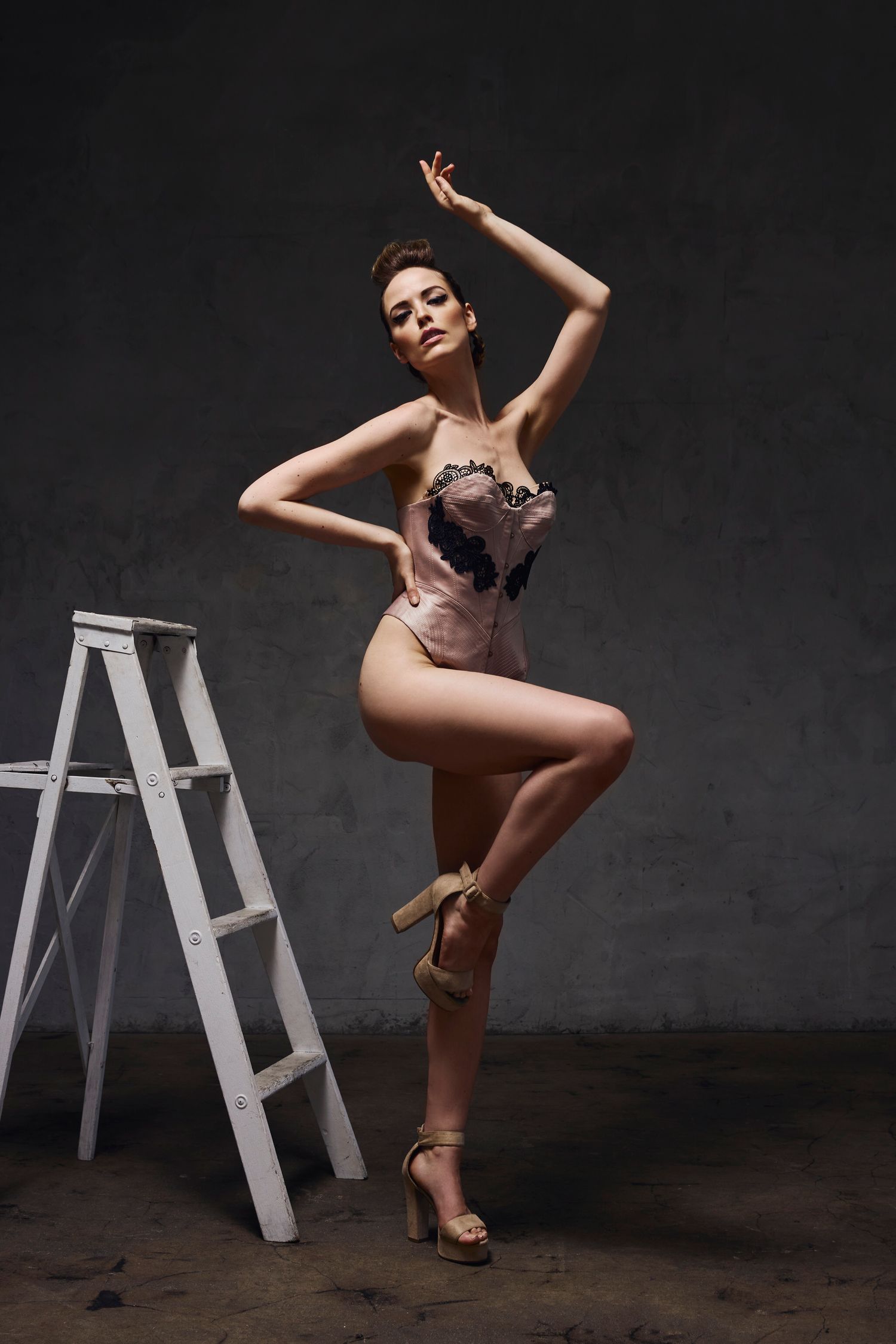
4. High-Fashion (Haute Couture) Photography
- The Purpose: To showcase artistic garments from luxury designers and elite fashion houses.
- The Aesthetic: Extravagant, stylized, and boundary-pushing. Models chosen for high fashion often have unique, striking features, and the poses lean toward abstract, fine-art choreography rather than traditional commercial smiles.
- The Focus: Over-the-top styling, elite garments, and artistic visual impact.
Assemble Your Production Crew
Regardless of the category, executing a professional fashion campaign requires a highly coordinated technical team, which helps you establish how you can budget for a fashion look book shoot:
- Creative Director: Establishes the seasonal mood board, visual story, and ensures the assets align with the brand's identity.
- Photographer: Manages the technical execution, lens selection, and framing to capture striking, high-resolution stills.
- Videographer: Captures motion assets, editorial clips, and behind-the-scenes (BTS) footage optimized for social ads and video lookbooks.
- Digital Technician (Digi Tech): Manages live tethering on set so the design client and stylists can review fabric details and sharpness in real-time.
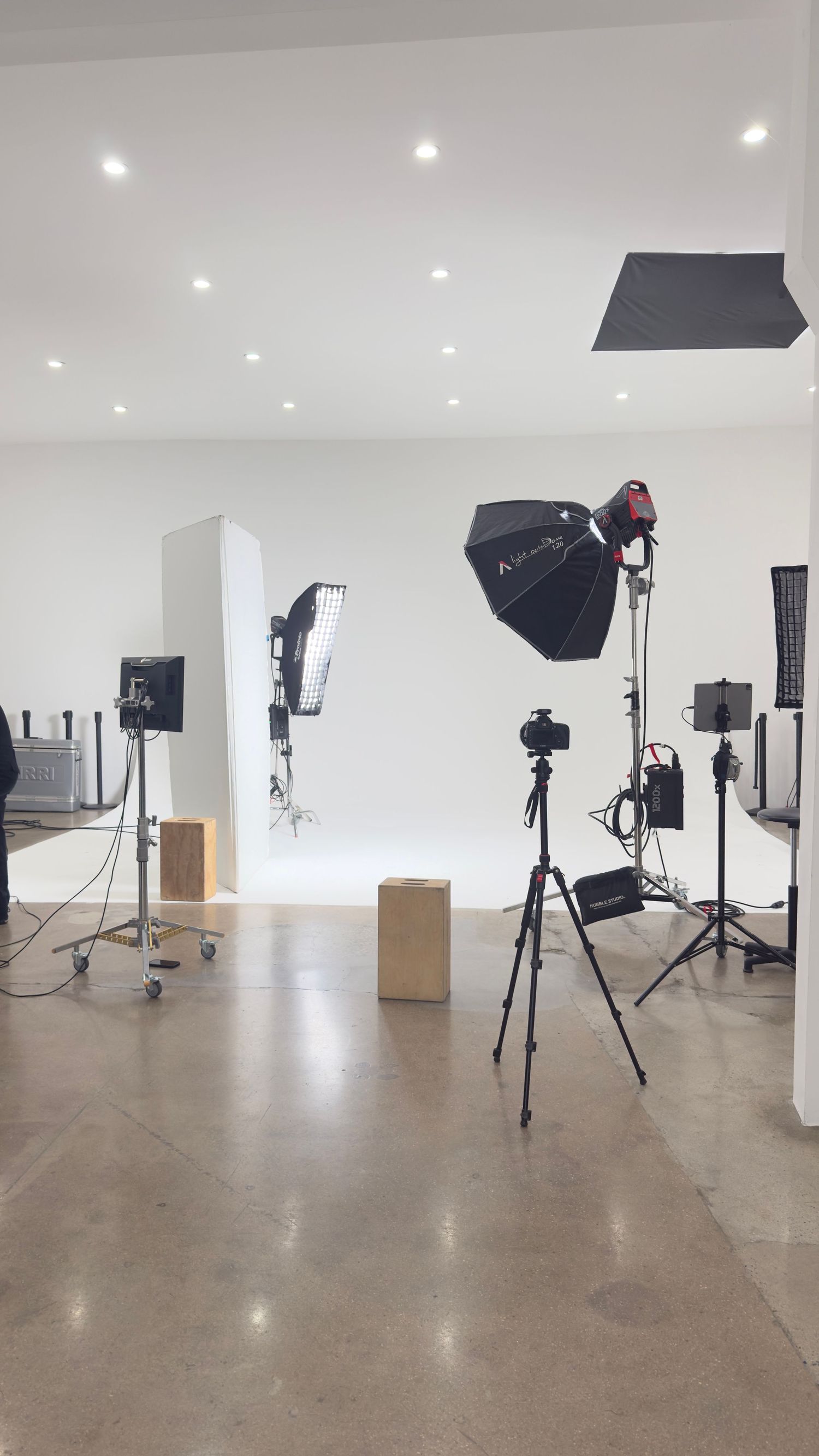
- Gaffer: Sets up complex studio strobe grids, flags, and modifiers to achieve perfect contrast and texture rendering.
- Wardrobe Stylist: Sources, fits, pins, and steams the garments to ensure they drape flawlessly on the model's form.
- Makeup Artist & Hair Stylist: Crafts the specific look—ranging from a clean e-commerce glow to a dramatic editorial statement.
- The Model: Delivers the specific movement and attitude required to bring the creative direction to life.
Choosing the right type of fashion shoot depends entirely on your current marketing objectives. Whether you need clean, high-volume assets for an e-commerce storefront or a bold narrative for a print editorial campaign, precision planning and a multi-disciplinary crew ensure your visual output stands out in a competitive market.
If you're looking to partner with a fashion editorial photographer based in Los Angeles (and beyond), contact me for your next project and we'll take it from there.