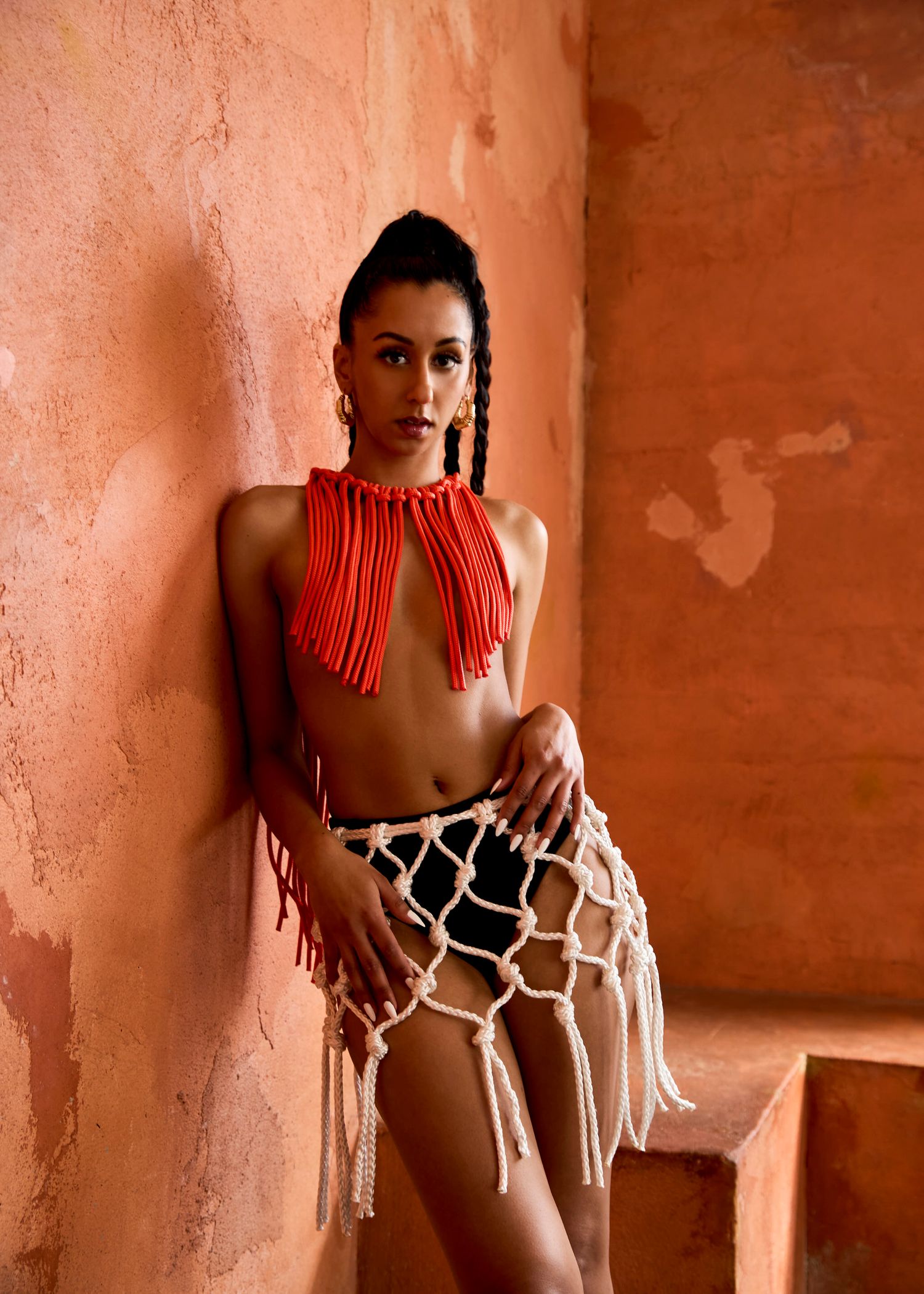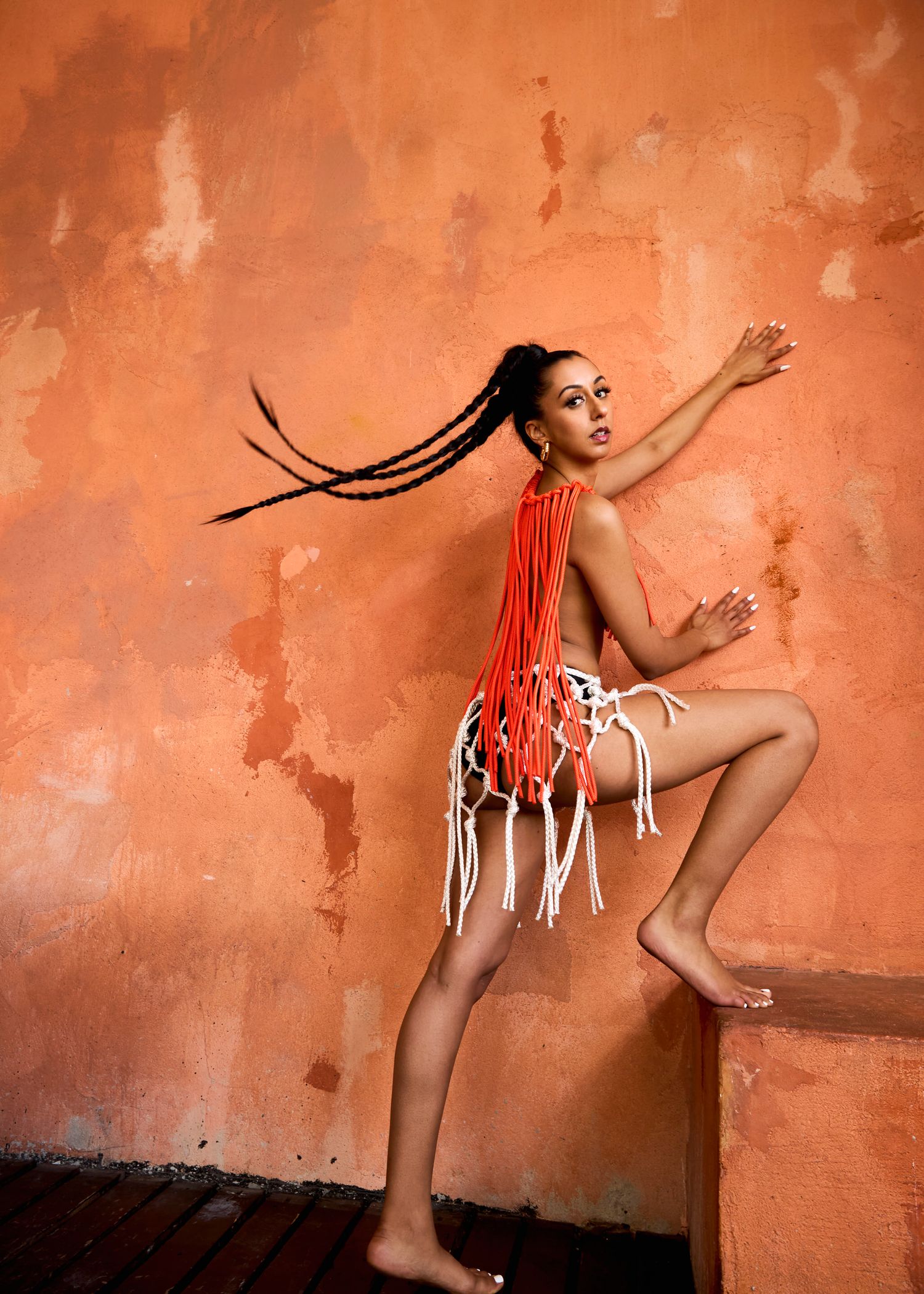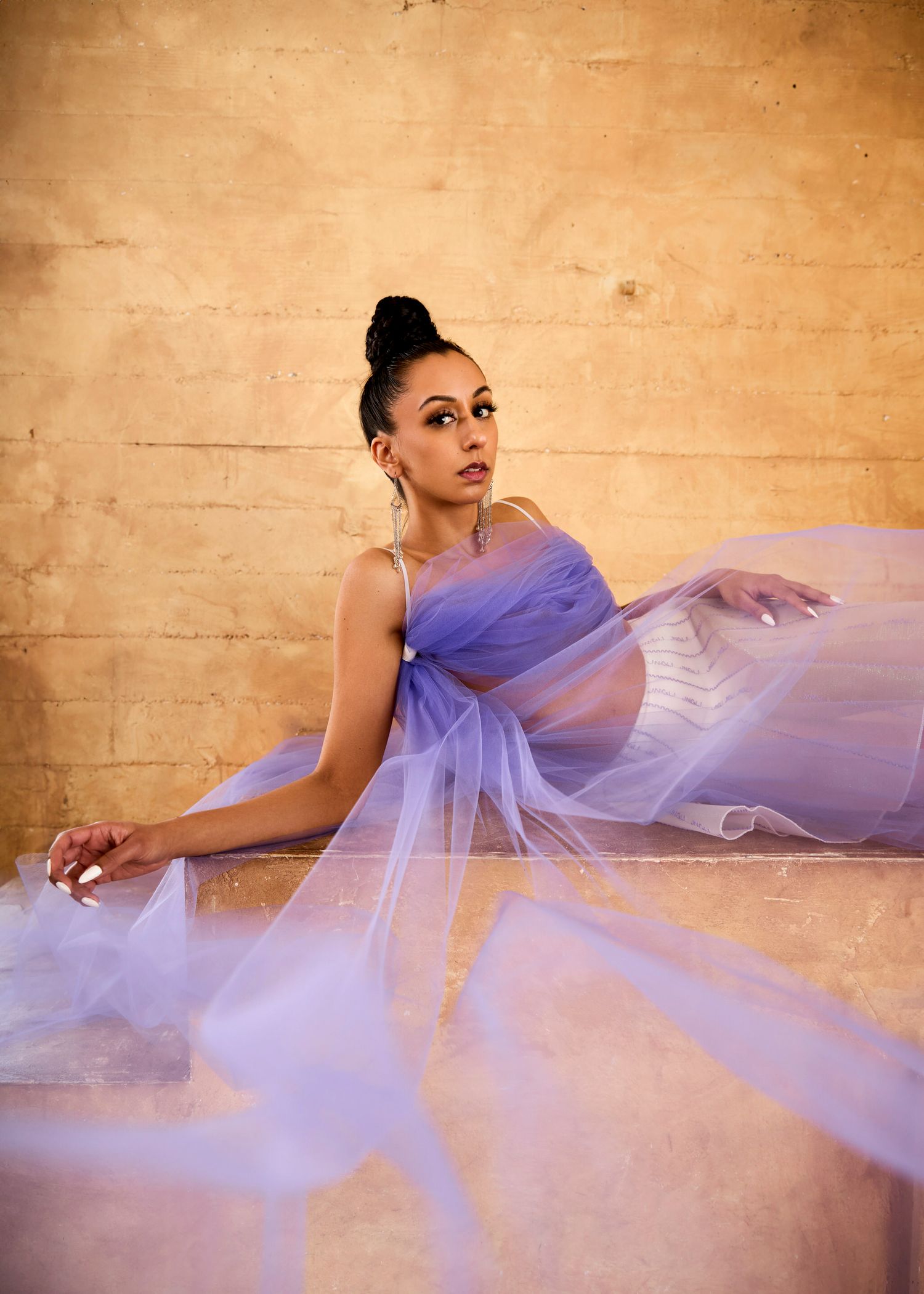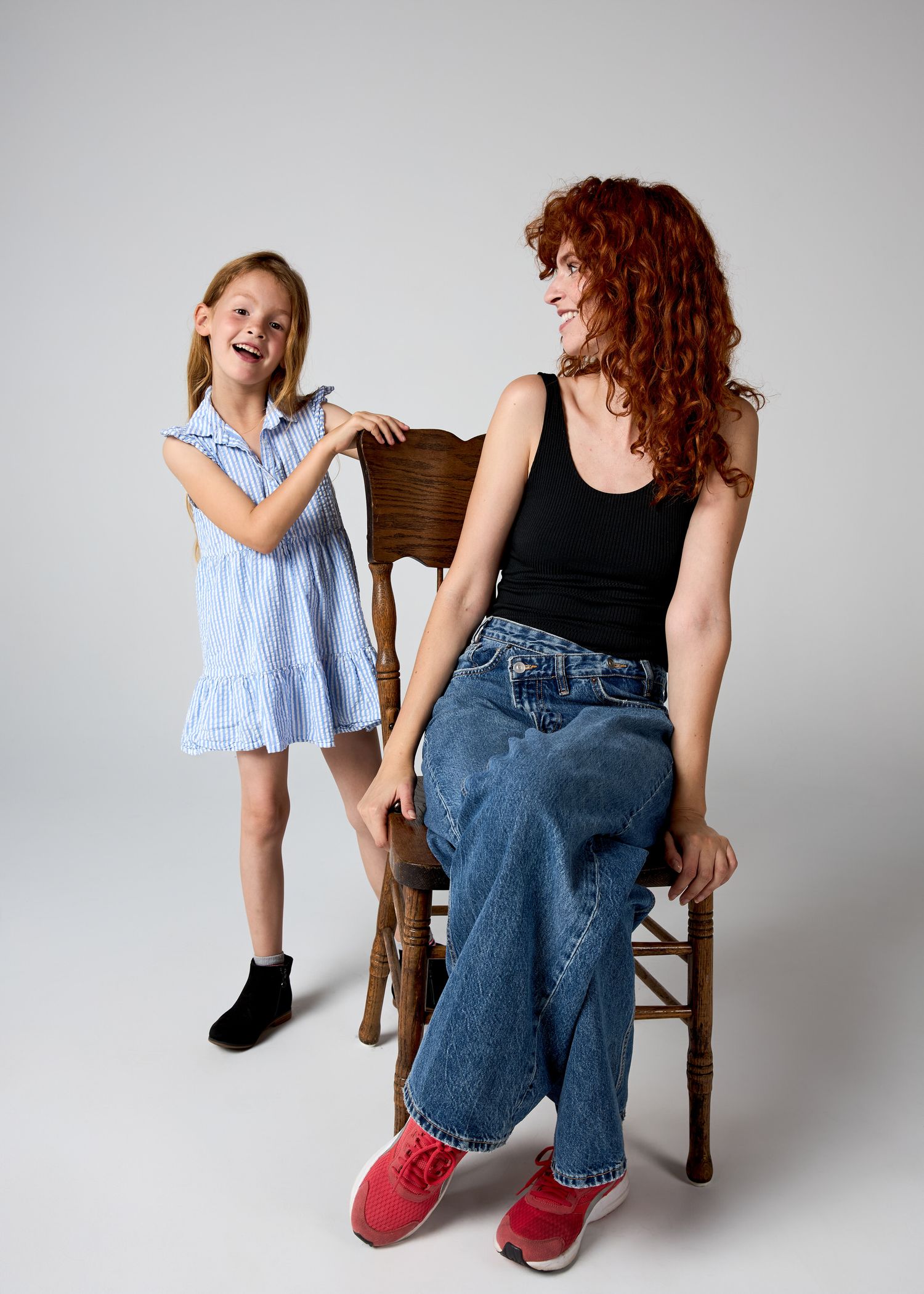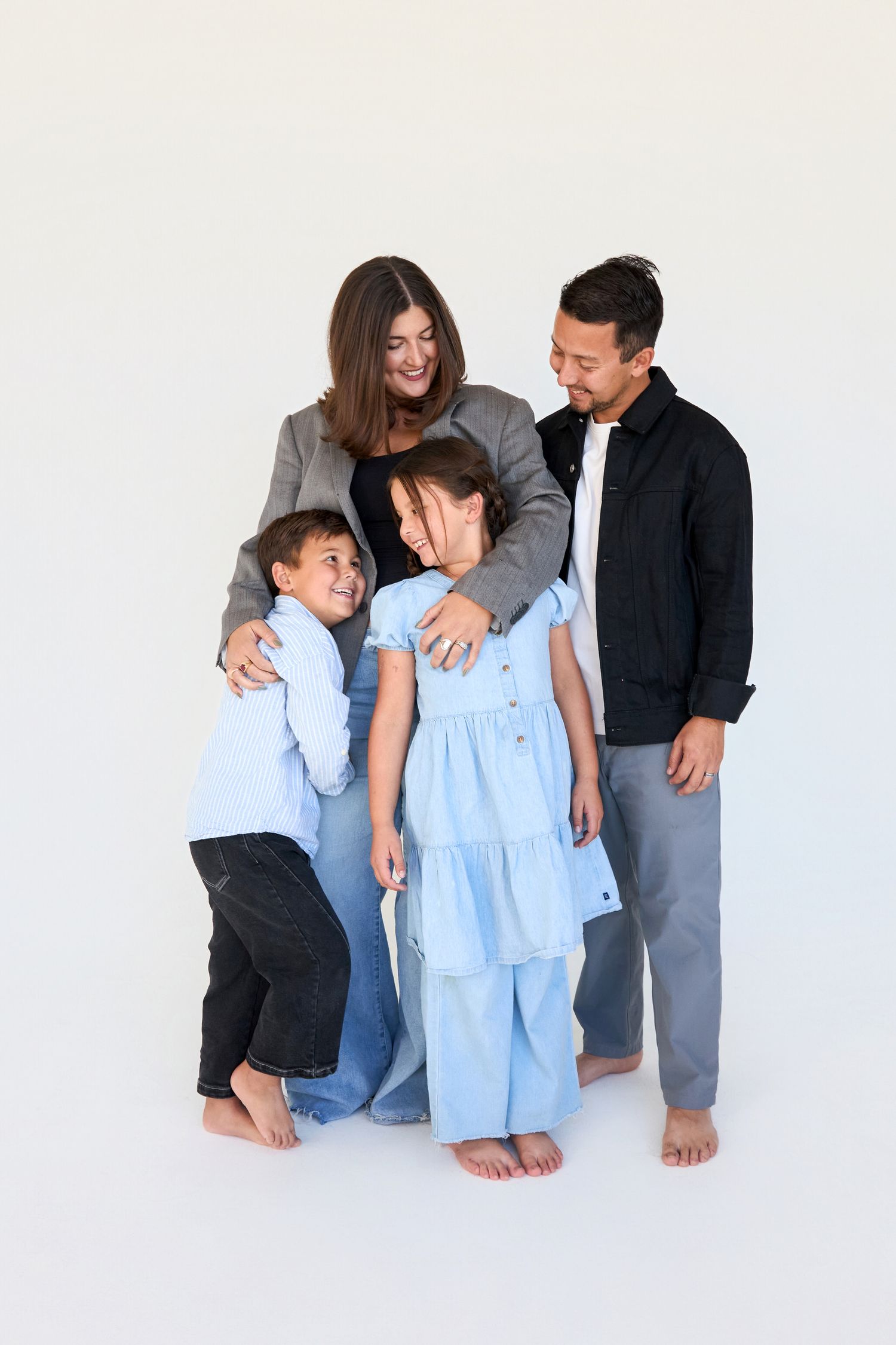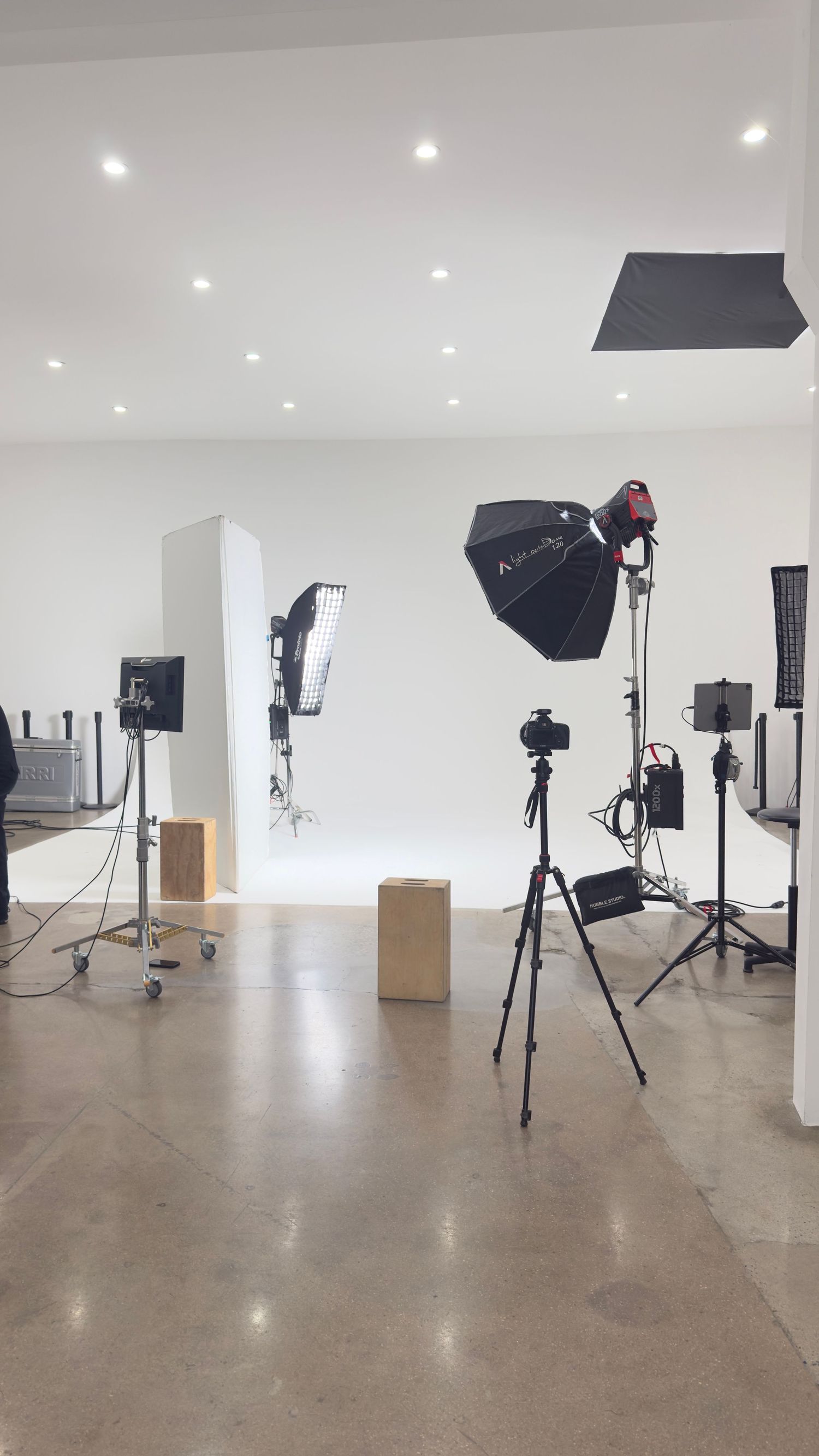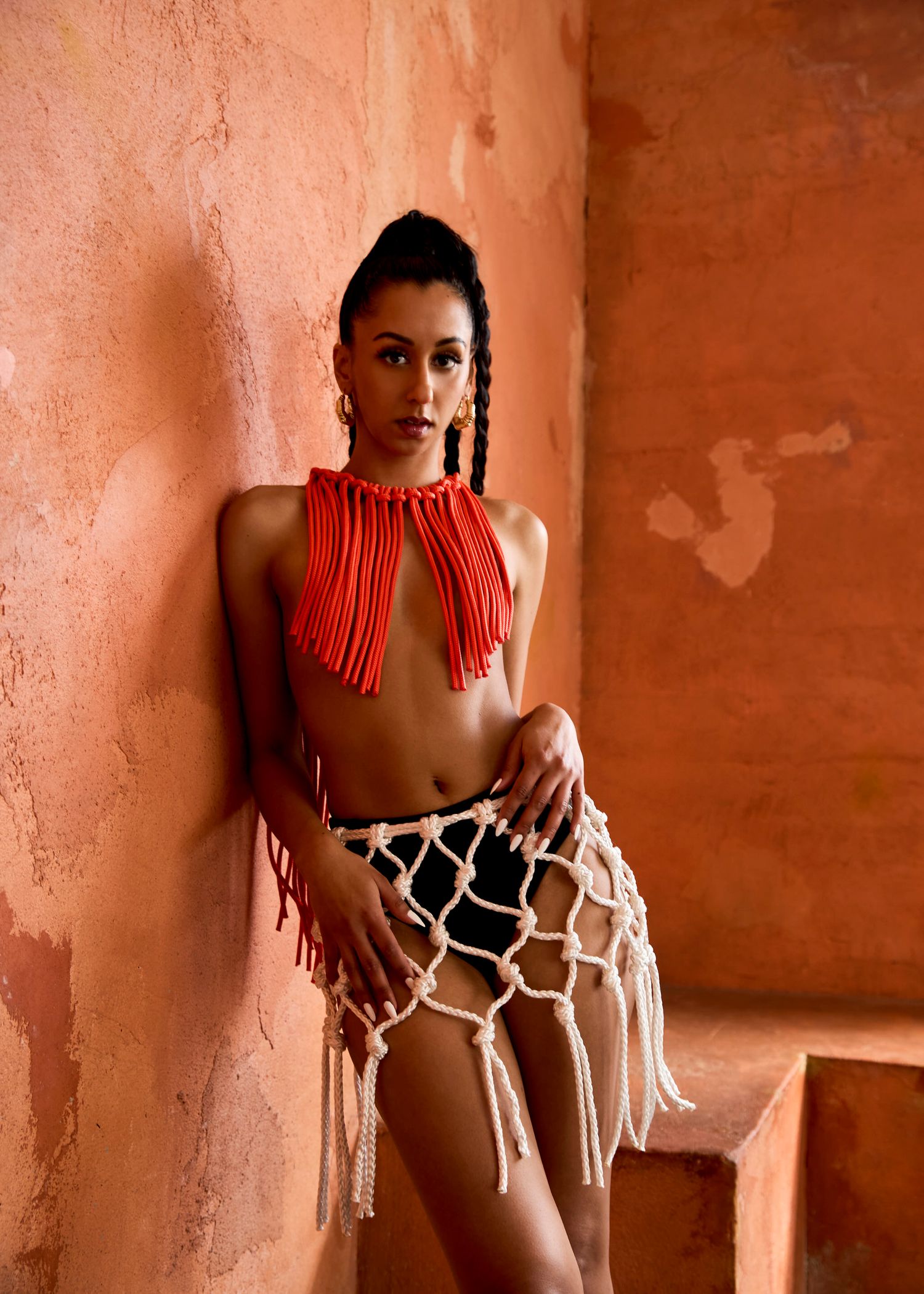
Launching a new apparel collection or refreshing your brand’s asset library requires high-impact visuals. A commercial fashion lookbook is the ultimate tool to showcase how garments drape, how a collection tells a cohesive story, and how your brand stands out in a crowded market.
However, one of the biggest hurdles for emerging labels and established brands alike is managing the production budget. Without careful planning, hidden fees like gear rentals, crew overtime, and retouching line items can quickly spiral out of control.
This comprehensive guide breaks down exactly how to budget for a professional fashion lookbook shoot, where to allocate your funds for maximum return on investment (ROI), and how to avoid paying double for your visual assets.
1. The Core Budget Allocations: A Line-Item Breakdown
To build an accurate budget for your fashion shoot, you must categorize your expenses into five primary pillars. A standard commercial production budget typically breaks down across these areas:
Venue and Location (15% – 20% of Budget)
The Studio: If you are shooting clean, minimalist, or high-volume lookbook assets, a professional daylight or cyclorama studio is essential.
Permits & Fees: If you opt for an outdoor lifestyle location in cities like Los Angeles, budget for city photography permits and location rental fees. Never risk a "guerrilla" shoot for a commercial brand, as being shut down mid-day will destroy your entire budget.
Average LA Rate: $1,500 – $4,500 per day for commercial studio rentals, depending on cyclorama size and amenities.
The Creative Crew & Talent (40% – 50% of Budget)
Your crew is the single most important investment. High-end lookbooks require specialized technical experts working in sync:
Creative Director: Translates your collection's psychology into a tangible visual narrative.
Rates vary wildly from $1,000 to $5,000+ per day depending on project scale.
Photographer & Videographer: The visual anchors capturing your stills and motion assets.
Emerging Professional Fee: $1,500 – $3,500 per day.
Established Commercial Fashion Specialist: $5,000 – $12,000+ per day.
Gaffer: The lighting mastermind responsible for texture rendering and color accuracy.
Average LA Rate: $650 – $900 per day (plus equipment kit rental fees).
Digital Technician (Digi Tech): Manages real-time tethering so the design team can instantly check fabric details and sharpness on monitor screens.
Average LA Rate: $650 – $900 per day (plus equipment kit rental fees).
Wardrobe Stylist, MUA, & Hair Stylist: Ensure garments are perfectly pinned, steamed, and the models are flawlessly styled under studio strobes.
Average LA Rate: $700 – $1,200+ per day per artist.
The Models: Cast professional agency models who understand commercial movement. Experienced talent can pull off 30+ outfit changes in a single day, saving you massive amounts of time and studio overtime fees.
$1,000 – $2,500+ per day per model (independent or via top LA agencies).
Equipment Rentals (10% – 15% of Budget)
Even if your photographer owns gear, commercial productions often require renting high-end digital backs, specialized lenses, high-output strobe setups, modifiers, and grip trucks to achieve a polished, industry-standard look.
Average LA Rate: $500 – $1,500 per day depending on the specific lighting grid or camera bodies required.
Catering & Craft Services (5% of Budget)
A hungry crew is an inefficient crew. Budgeting for a solid breakfast, a hot lunch, and continuous hydration keeps energy high and ensures the production stays strictly on schedule.
Average LA Rate: $40 – $60 per person for professional set catering.
Post-Production & Retouching (15% – 20% of Budget)
Getting the shots is only half the battle. High-end commercial lookbooks require high-resolution image processing, meticulous skin and garment retouching (removing dust, wrinkles, and adjusting color accuracy), and video editing/color grading for your social media assets.
Average LA Rate: $50 – $150+ per image for high-end fashion retouching, or flat day rates for video editors.
2. Where to Save vs. Where to Splurge
When budgets get tight, cutting the wrong line item can completely ruin the final output of your collection.
- DON'T Skimp on Talent or Styling: A mediocre model or poor garment steaming cannot be "fixed in Photoshop" without costing you thousands in extra retouching fees. Hire experienced models and a meticulous wardrobe stylist.
- DO Save on Elaborate Sets: For a highly functional lookbook, a clean, elegant gray, white, or earth-toned seamless backdrop is often superior to an expensive, over-designed set. Let the design, tailoring, and texture of your clothing be the focus.
3. The Ultimate Efficiency Rule: Combine Photo and Video
If your brand is looking to maximize its marketing budget, there is one non-negotiable rule in modern commercial production: If you are not capturing both photo and video content within the same production session, you are paying double.
Booking separate shoot days for your lookbook stills and your social media video assets means paying twice for studio space, doubling your crew's day rates, and hiring the talent packages all over again.
By executing a synchronized, hybrid photo-and-video workflow:
- Your gaffer builds a continuous lighting grid that beautifully serves both mediums.
- Your MUA and hairstylist only need to prep the talent once.
- Your brand walks away with a complete, cohesive multi-channel marketing kit—including website lookbook images, e-commerce catalog crops, and cinematic vertical video assets for Instagram Reels and TikTok—all optimized out of a single day's budget.
4. Create a Contingency Buffer
No matter how perfectly you plan, live productions introduce variables. Always build a 10% to 15% contingency buffer directly into your initial budget sheet. This covers unexpected line items like wardrobe accidents, shipping delays for sample garments, extra hard drives for file backups, or minor studio overtime if the schedule runs 30 minutes behind.