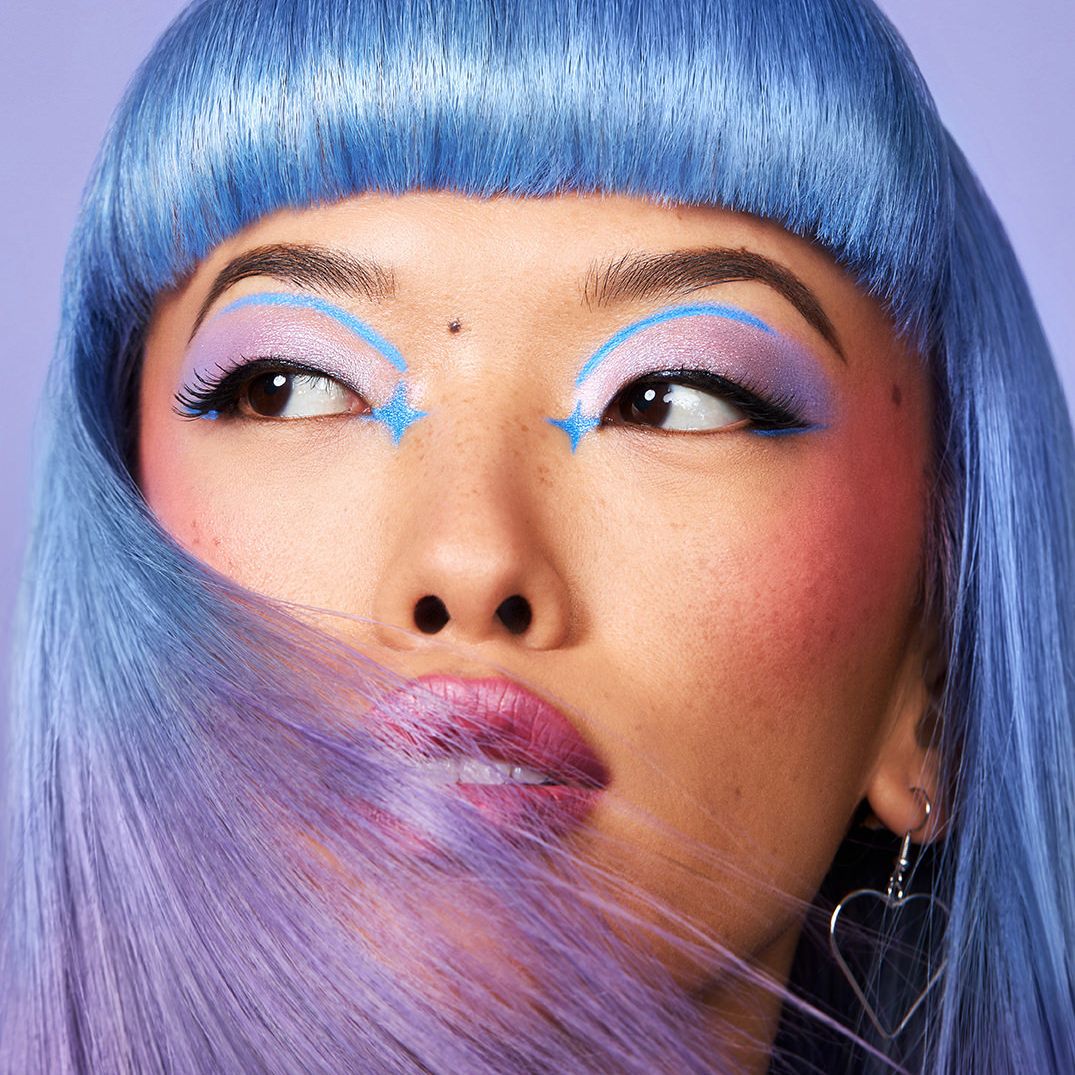
In the commercial and editorial photography industries, a beauty shoot is a highly specialized genre. Unlike traditional portraiture or fashion photography, beauty photography focuses entirely on the details from the chest up. It highlights skin texture, intricate makeup artistry, hair styling, and jewellery.
Whether you are a cosmetic brand building an e-commerce campaign, a makeup artist expanding your portfolio, or a model looking to book more commercial work, a successful beauty shoot requires precision, planning, and specialized technical execution.
This comprehensive guide breaks down exactly how to prepare for, style, and shoot a high-end beauty session that grabs the attention of major brands and magazines.
1. Define the Concept: Clean vs. Editorial
Before booking a studio or hiring a team, you must define the creative direction of your beauty shoot. Beauty generally falls into two distinct categories:
- Commercial / Clean Beauty: Focuses on flawless, natural-looking skin, minimal makeup, and healthy hair. This style is highly sought after by skincare lines, haircare brands, and clean cosmetic companies.
- Editorial / Creative Beauty: Features bold, avant-garde makeup, dramatic graphic eyeliner, intense color palettes, face gems, or wet-look hair. This style is designed for fashion magazines, artistic portfolio building, and creative branding.
Tip: Create a highly detailed digital mood board. Include specific references for makeup textures (matte, glossy, or metallic), hair styling, and lighting styles to keep your entire creative team aligned.
2. Assemble the Right Creative Team
A premium beauty image is rarely a solo effort. Because the camera is zoomed in closely on the face, every minor detail is magnified. To achieve professional results, collaborate with experienced professionals:
- Creative Director: The visionary who establishes the overall aesthetic, mood, and storytelling elements. They oversee the production from concept to completion, ensuring the visual output aligns perfectly with the brand's identity or magazine's brief.
- Photographer: The technical and creative anchor behind the camera. They control the composition, framing, camera settings, and direct the model to capture high-impact, razor-sharp imagery.
- Videographer: Captures high-definition video content, behind-the-scenes (BTS) footage, loops, and motion assets optimized for social media platforms, digital ads, and video campaigns.
- Digital Technician (Digi Tech): Manages the tethered capture station on set. They monitor live color accuracy, exposure, sharpness, and handle real-time file organization and backups so the client and crew can review images instantly.
- Gaffer: The chief lighting technician responsible for executing the lighting plan. They manage the heavy lighting setups, scrims, and modifiers to achieve the precise light contrast required for high-end beauty.
- Makeup Artist (MUA): Look for an MUA who specializes in photography-ready makeup. They must understand how studio lighting affects skin tones and how to prevent flashback.
- Hair Stylist: Hair must be immaculately styled. Stray flyaways or frizzy patches can ruin a tight beauty crop and require hours of expensive retouching.
- Wardrobe Stylist: Curates and prepares the wardrobe, jewellery, and collar-line accessories. Even in tight beauty crops, they ensure that garment textures, necklines, and accessories perfectly complement the makeup and concept.
- The Model: Beauty modelling is a unique skill. The model must have incredible facial symmetry, expressive eyes, and the ability to make micro-adjustments to their expressions without changing their entire head angle.
3. The Efficiency Rule: Combine Photo and Video
In modern commercial production, if you are not capturing both photo and video during the same session, you are paying double.
Booking separate production days for stills and motion means paying twice for studio space, doubling your crew's day rates, and hiring the modelling and talent package all over again. By executing a hybrid photo and video workflow simultaneously, your gaffer can build lighting grids that serve both mediums, your MUA only needs to prep the talent once, and your brand walks away with a complete, cohesive multi-channel marketing kit from a single budget.
4. Technical Essentials: Lighting and Gear
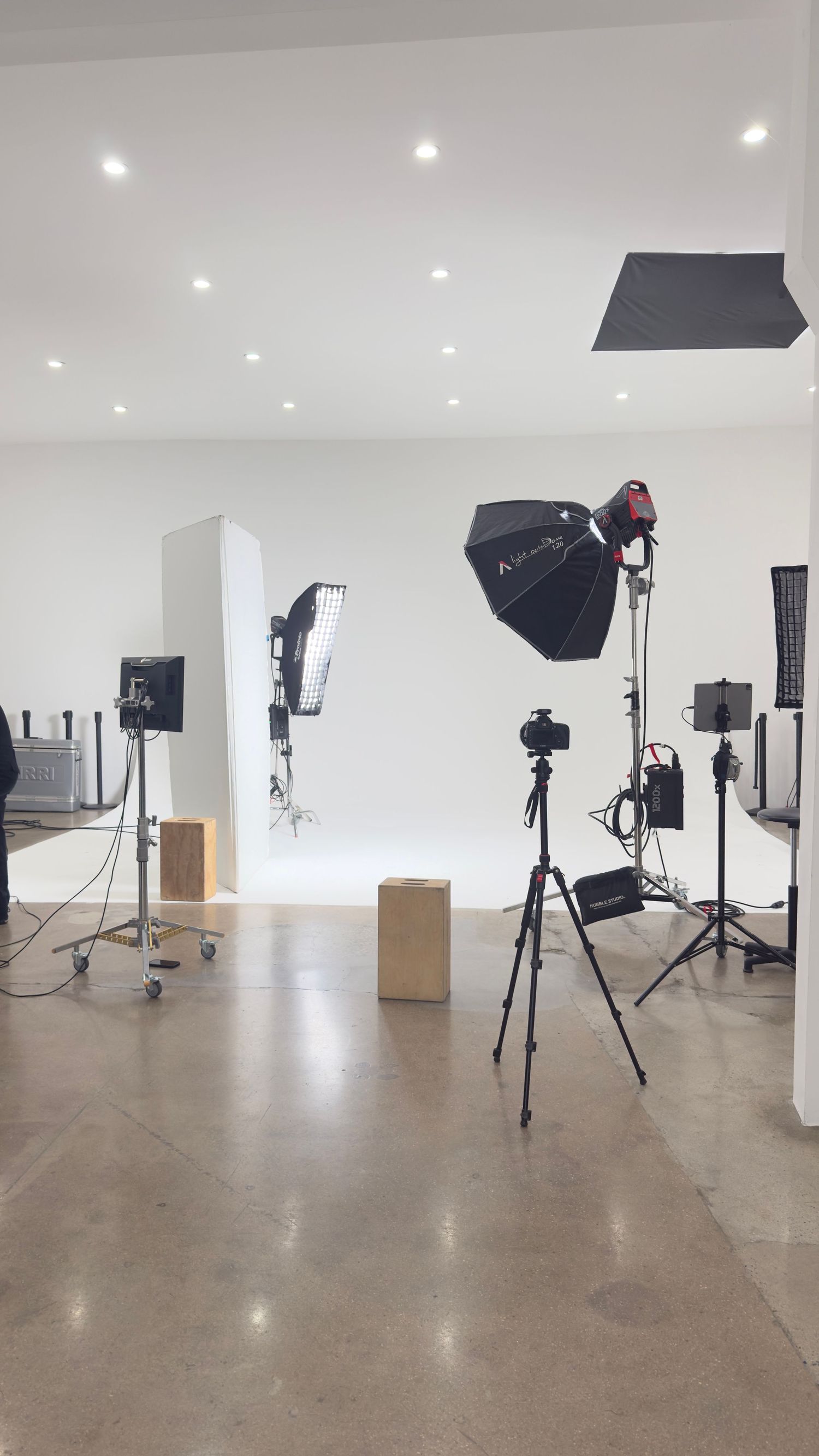
Beauty photography requires specialized lighting setups to emphasize skin texture and color accuracy without creating harsh, unflattering shadows.
- The Modifier: A beauty dish is the industry-standard modifier for this genre. It delivers a crisp, focused light that accentuates cheekbones and bone structure while keeping the skin looking vibrant.
- The Lighting Pattern: "Clamshell lighting" is a classic beauty setup. Place your main beauty dish directly above the model’s face, angled down, and place a reflector or a softer light source directly below their chest, angled up. This fills in shadows under the chin and nose, creating glowing, even skin.
- The Lens: Use a dedicated macro lens or a telephoto prime lens (such as an 85mm or 105mm). These lenses allow you to get incredibly close to the subject without causing facial distortion, keeping the proportions of the nose, eyes, and lips perfectly true to life.
5. Post-Processing: Keep It Authentic
High-end beauty images require meticulous retouching, but modern industry standards lean heavily toward realism.
- Maintain Skin Texture: Avoid the "plastic" or "blurred" look at all costs. Utilize advanced techniques like frequency separation to remove temporary blemishes or redness while leaving the natural skin pores, freckles, and fine lines completely intact.
- Color Accuracy: Ensure that the colors of the eyeshadow, lipstick, or blush match the physical product exactly. This is especially crucial for commercial e-commerce campaigns where consumers rely on the image to make a purchase decision.
A successful beauty shoot relies entirely on attention to detail and smart production logistics. By establishing a clear concept, building a complete technical team, and combining your photo and video assets into a single run-time window, you maximize your creative ROI and deliver imagery that stands out.
If you're looking to partner with a professional photographer based in Los Angeles for your next commercial campaign or advertisement, send me the details via the contact form and we'll take it from there.