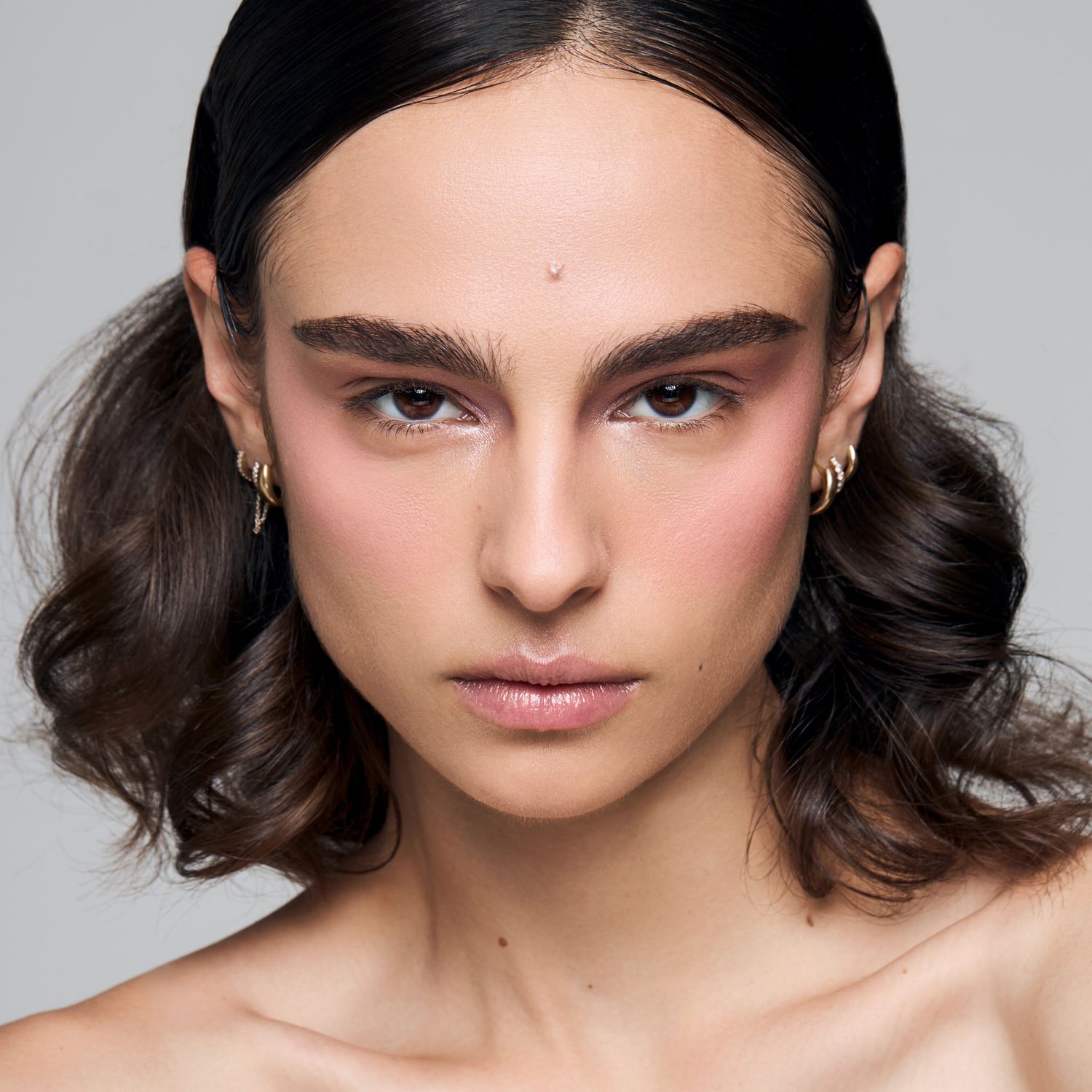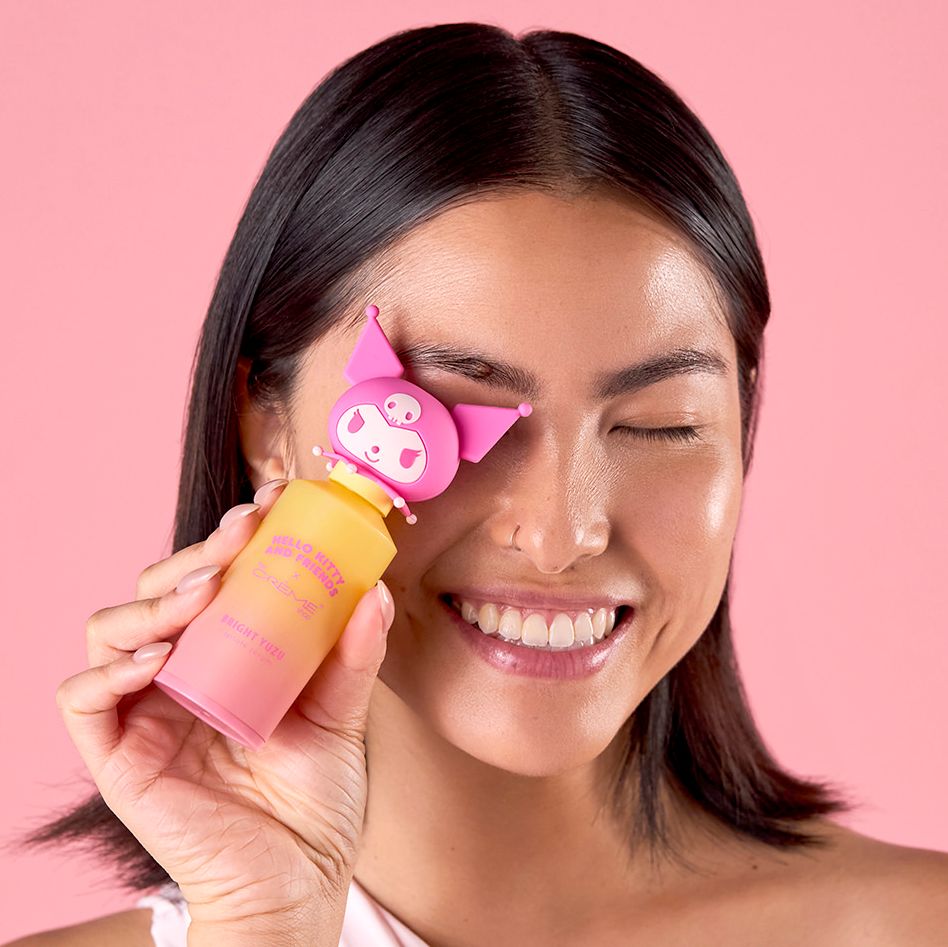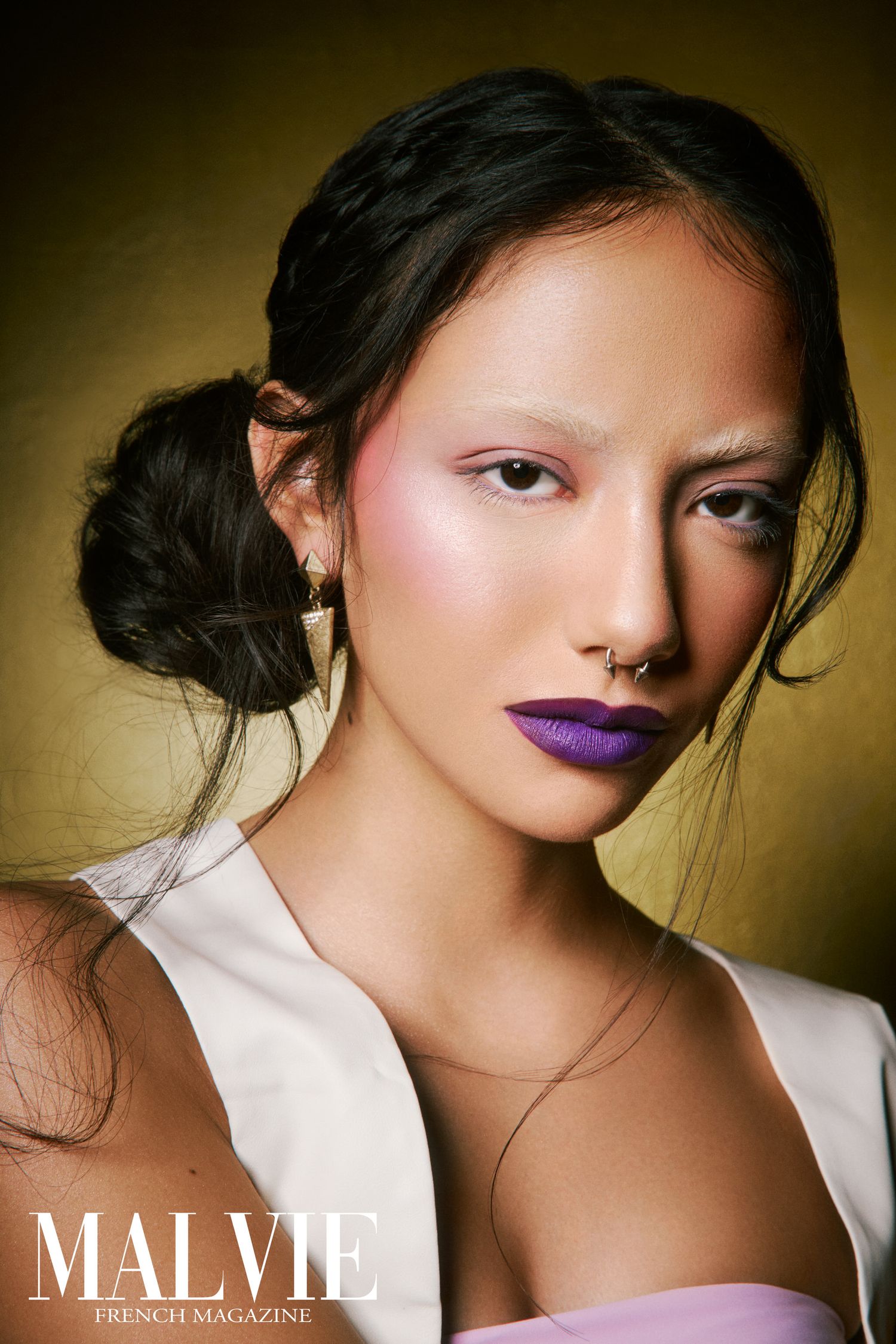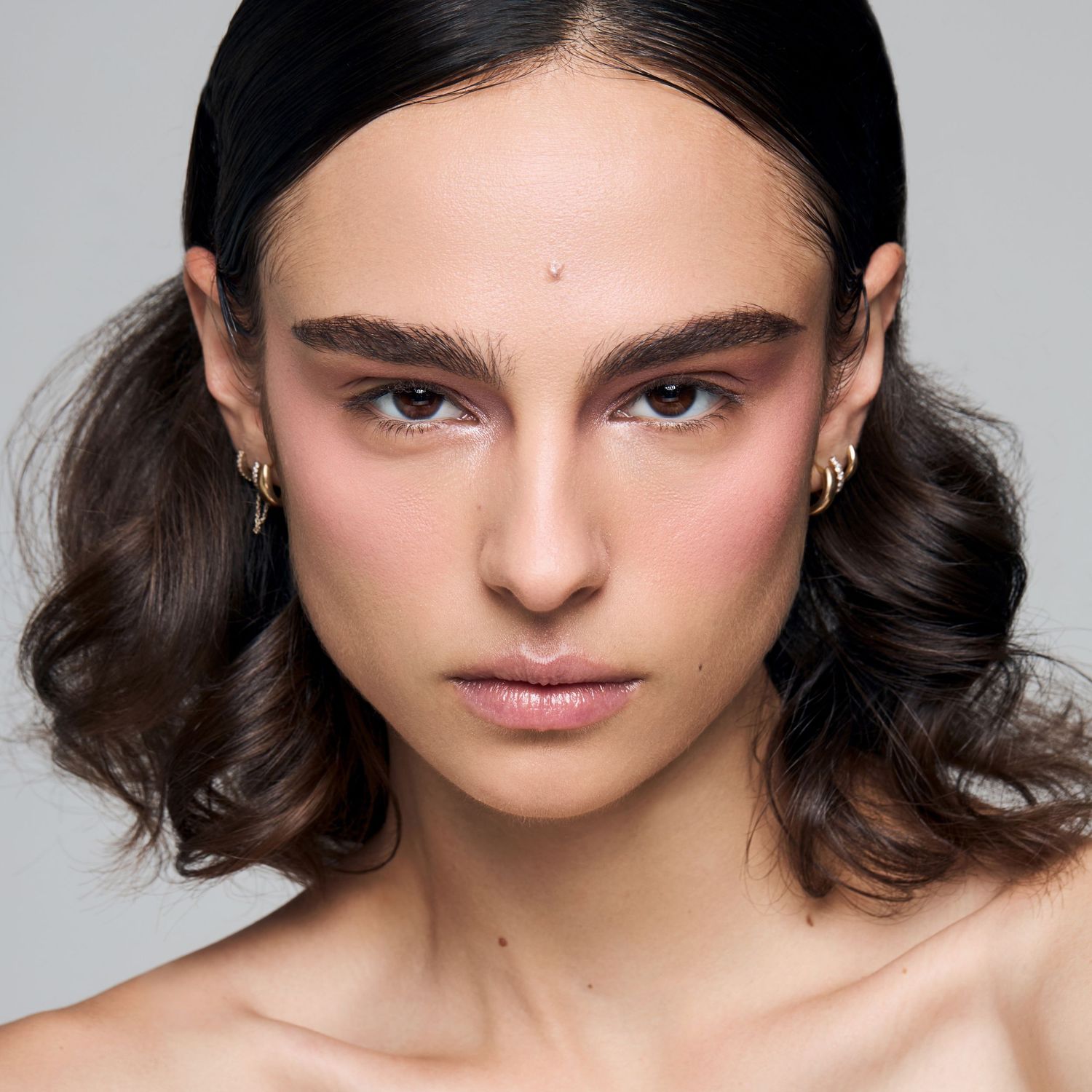
In the commercial beauty and cosmetics industries, the stakes for visual assets are incredibly high. Unlike traditional portraiture or fashion photography, a skincare campaign zooms in close on the human face. Every pore, skin texture, highlight, and fine detail is magnified.
When a consumer looks at a billboard or a digital ad for a luxury serum or a clean moisturizer, they expect to see flawless, glowing, and radiant skin.
To achieve this luminous, high-end look without relying on heavy, unrealistic post-production editing, top commercial photographers use a highly specialized studio setup called clamshell lighting.
This comprehensive technical guide breaks down exactly what clamshell lighting is, how it works, and why it is the absolute industry-standard requirement for successful skincare campaigns.
1. What is Clamshell Lighting?
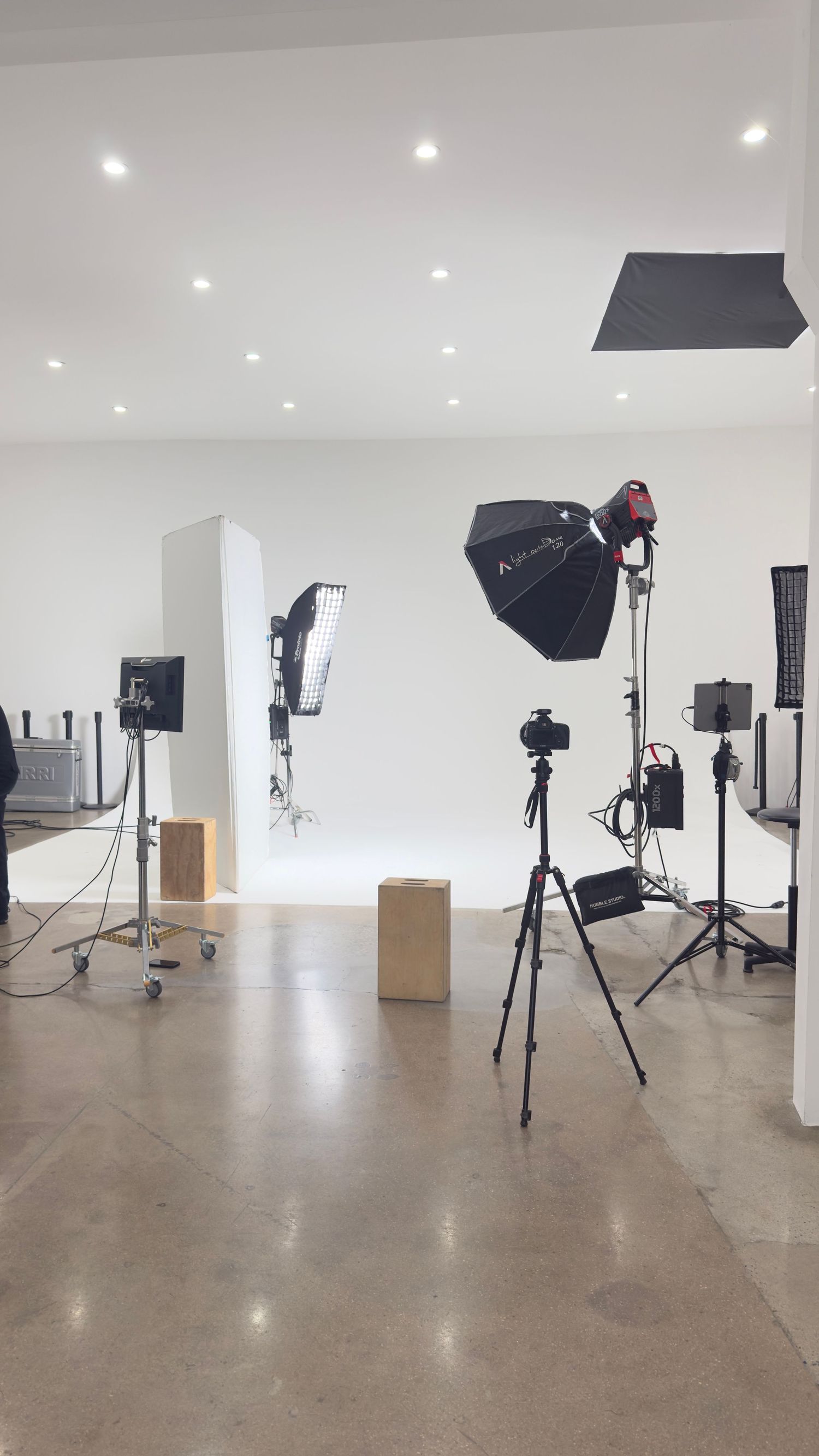
Clamshell lighting is a classic studio lighting pattern named after the physical shape of an open clamshell. It is created by placing two distinct light sources (or one light source and a strategic reflector) directly in front of the model’s face, stacked vertically on top of one another.
- The Key Light (The Top Shell): A large light modifier, usually a beauty dish or a softbox, is placed directly above the camera lens. It is angled downward at roughly 45 degrees toward the model’s face. This acts as the primary light source, illuminating the forehead, nose, and cheekbones.
- The Fill Light (The Bottom Shell): A second, softer light source or a curved metallic reflector (often called an "eyelight reflector") is placed directly below the model’s chest, angled upward. This fills in the shadows created by the top light, bouncing soft light back up under the chin, jawline, and nose.
The camera lens shoots directly through the narrow gap between these two stacked elements, perfectly capturing the evenly lit face.
2. Why It Is Essential for Skincare Campaigns
Skincare brands demand images that feel aspirational yet authentic. Clamshell lighting is uniquely engineered to deliver on these exact commercial parameters for four critical reasons:
- Complete Shadow Elimination: Standard top-down lighting patterns (like Rembrandt or loop lighting) create dramatic, high-contrast shadows under the nose, lips, and cheekbones. While beautiful for moody portraits, shadows are the enemy of skincare. Shadows accentuate uneven skin texture, fine lines, and blemishes. Clamshell lighting attacks shadows from both above and below, neutralizing them completely and creating an incredibly smooth, flattering baseline skin tone.
- Dynamic Catchlights in the Eyes: In commercial advertising, eye contact drives human connection and consumer engagement. Clamshell lighting creates striking, double catchlights in the model's pupils—one reflection from the top light and one from the bottom reflector. This brightens the iris, makes the eyes look alive and luminous, and draws the consumer’s gaze straight into the ad.
- Showcasing True Product Performance: When shooting for a skincare line, the image must communicate a specific product benefit, such as "dewy hydration," "plumpness," or a "radiant glow." Clamshell lighting wraps around the face, catching the natural moisture and gloss of the skin without creating harsh, specular hot spots or blown-out highlights. It allows the formula’s finish to shine through accurately.
- Absolute Color Accuracy: Skincare campaigns require absolute color fidelity. If a foundation shade or a tinted moisturizer looks different in an ad than it does in real life, product returns skyrocket. Because clamshell lighting provides even, uncolored illumination directly to the face, the digital tech can verify that skin tones and product shades are mathematically accurate on set.
3. Equipment Setup Guide for a Premium Beauty Set
To execute an elite skincare campaign, your technical crew will configure the clamshell grid using specialized modifiers:
- The Beauty Dish: The standard choice for the top key light. It provides a crisp, punchy light that accentuates bone structure and jawlines while keeping the skin looking vibrant and healthy.
- The Curved Reflector: Placed below the chin, a curved metallic reflector wraps the bounce light perfectly around the natural contours of the face, keeping the reflection in the lower eye clean and seamless.
- The Macro Lens: Photographers typically shoot beauty with a dedicated 85mm, 105mm, or 100mm macro lens. This allows the camera to get close enough to fill the frame with the model's skin texture without causing facial distortion.
Clamshell lighting is not just a stylistic preference; it is a technical tool designed to elevate skin into a piece of flawless commercial art. By incorporating this elite lighting pattern into your production, you minimize post-production texturing work, protect your product's visual integrity, and deliver the radiant, glowing imagery that modern skincare consumers trust.
If you're looking to partner with a Los Angeles photographer for your next beauty and skincare product campaign, send me the details via the contact form and we'll go from there.